


At Complete Care Chiropractic, we believe that small daily choices can lead to lifelong health. While regular chiropractic care is one of the best investments you can make in your nervous system, the foods you eat every day also play a major role in how well your body functions, heals, and adapts to stress.
Many people think they’re making healthy choices, only to discover that the foods they’re buying are packed with hidden sugars and highly processed ingredients. Learning to read food labels is one of the simplest ways to reduce inflammation, support your nervous system, and improve your long-term health.
Why Sugar Is a Bigger Deal Than Most People Realize
Sugar isn’t just about calories or cavities. Every time you eat a meal high in added sugars or highly processed carbohydrates, your blood sugar rises quickly. In response, your pancreas releases insulin to move that sugar into your cells for energy.
While this process is completely normal, repeated blood sugar spikes over weeks, months, or years can overwhelm your body’s natural balance.
Excess sugar consumption has been linked to:
- Increased inflammation throughout the body
- Insulin resistance
- Type 2 diabetes
- High blood pressure
- Heart disease
- Non-alcoholic fatty liver disease
- Weight gain and metabolic syndrome
- Increased risk of certain cancers
- Reduced immune function
- Brain fog and decreased concentration
For children, diets high in added sugars also contributes to fluctuating energy levels, difficulty focusing in school, mood swings, and poor sleep quality.
So, what can you do about it?
How to Read Food Labels Like a Pro
The Nutrition Facts panel tells only part of the story. The ingredient list often provides the biggest clues about how processed a food item really is.
When shopping, keep these tips in mind:
1. Read the ingredient list first.
Ingredients are listed from the greatest amount to the least. If sugar—or one of its many aliases—is listed among the first few ingredients, the product likely contains a significant amount of added sugar.
2. Don’t rely only on the “Total Sugars.”
A product can appear healthy but still contain multiple forms of added sugar spread throughout the ingredient list. Food manufacturers often use several different sweeteners so that no single one appears at the top of the list, or it can even be hidden under the ‘natural flavors’ ingredient.
3. Look for short ingredient lists.
In general, foods with fewer ingredients tend to be less processed. If you can’t pronounce half the ingredients or don’t recognize them, it’s worth taking a closer look or trying an alternative.
4. Watch serving sizes.
Nutrition labels can be misleading if the serving size is much smaller than what most people actually eat.
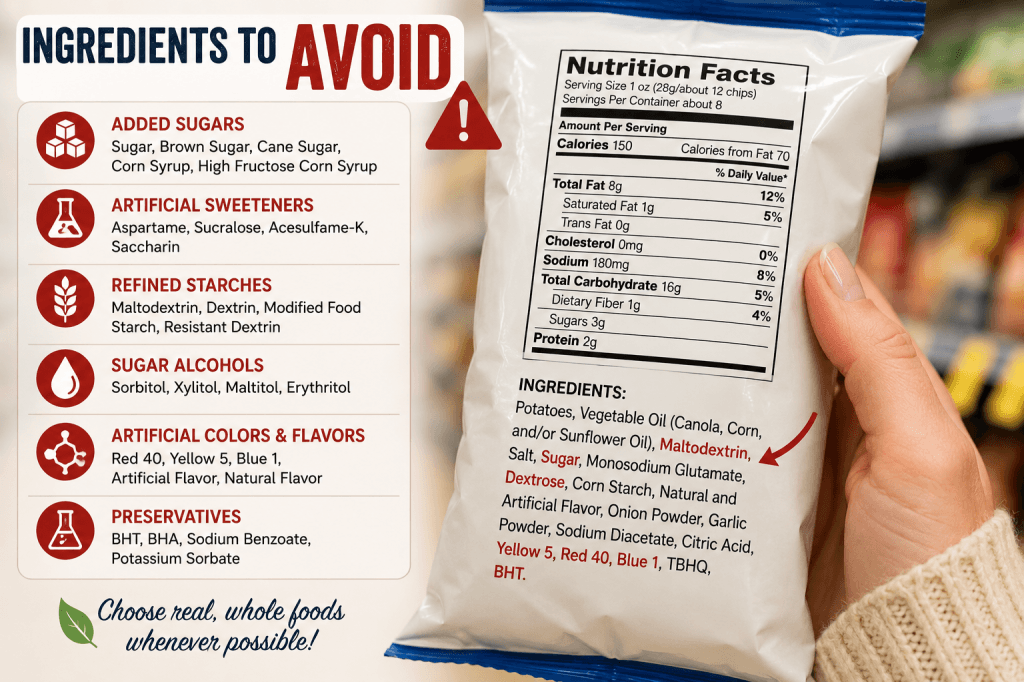

Hidden Names for Sugar
Sugar doesn’t always appear as “sugar.”
Many added sweeteners end in “-ose,” including:
- Glucose
- Fructose
- Sucrose
- Dextrose
- Maltose
- Lactose
- Galactose
Other common sweeteners include:
- High Fructose Corn Syrup (HFCS)
- Corn Syrup
- Cane Syrup
- Brown Rice Syrup
- Agave Syrup
- Coconut Sugar
- Fruit Juice Concentrate
- Maple Syrup
You’ll also find highly processed starches and fillers such as:
- Maltodextrin
- Dextrin
- Resistant Dextrin
- Modified Food Starch
- Cyclodextrin
While some of these ingredients are technically not “sugar,” many are rapidly broken down into glucose during digestion and produce similar effects on blood sugar.
What Happens When You Eat These Ingredients?
Your digestive system doesn’t necessarily care whether glucose comes from table sugar, corn syrup, or maltodextrin.
Many refined carbohydrates and processed starches are quickly converted into glucose.
Over time, repeated spikes in blood sugar can:
- Trigger chronic inflammation
- Increase oxidative stress
- Promote insulin resistance
- Disrupt healthy gut bacteria
- Increase fat storage
- Affect hormone balance
- Place extra stress on your cardiovascular system
This constant inflammatory state makes it harder for your body to repair tissues, recover from physical stress, and maintain optimal health. These types of ingredients send mixed signals to our brain, overwhelming our nervous system, and tricking it so that it can no longer function at its highest possible level. This leads to Subluxation; misalignments of the spine that impede on the nervous system and brain-body signaling and communication.
What Does This Have to Do with Chiropractic?
Everything.
Chiropractic care focuses on improving the function of your nervous system, the master communication system that controls every organ, gland, muscle, and tissue in your body.
When your nervous system is functioning at its best, your body is better able to regulate inflammation, coordinate healing, maintain balance, and adapt to everyday stress.
However, your body is constantly responding to three types of stress: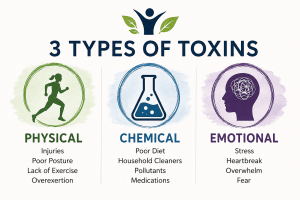
- Physical stress
- Chemical stress
- Emotional stress
Highly processed foods and excess sugar are examples of chemical stress.
When chemical stress increases, your body has fewer resources available for healing and recovery. Chronic inflammation may contribute to muscle tension, slower tissue repair, fatigue, and decreased resilience to everyday physical stress.
Regular chiropractic adjustments help restore proper communication between the brain and body, allowing your nervous system to function more efficiently. While chiropractic care does “cure” diseases like diabetes, it supports your body’s natural ability to regulate, adapt, and heal, which restores your bodies natural ability to heal and combat these diseases naturally.
The best results come when chiropractic care is paired with healthy lifestyle choices, including proper nutrition, regular movement, quality sleep, and stress management.
Fuel Your Future One Choice at a Time
You don’t have to eat perfectly to make a meaningful difference.
Start by making one healthier choice each time you shop:
- Read every ingredient label.
- Choose foods with recognizable ingredients.
- Reduce highly processed snacks.
- Eat more whole fruits and vegetables.
- Drink more water.
- Add electrolytes to your water.
- Limit added sugars whenever possible.
- Stay consistent with your chiropractic adjustments.
Small choices, repeated consistently, often produce the biggest long-term results.
At Complete Care Chiropractic in Lafayette, Colorado, we’re passionate about helping families build healthy habits that support lifelong wellness. Whether you’re looking to improve your nutrition, reduce stress, sleep better, or keep your nervous system functioning at its best, we’re here to help you every step of the way.
Ready to fuel your future? Schedule your next chiropractic adjustment and let us help you create a healthier foundation for you and your family!

Resources You Can Look Into For Additional Support & Knowledge
- Environmental Working Group (EWG) – Ingredient guides and consumer resources
- Trash Panda App – Scan products and better understand food ingredients
- SugarScience (UCSF) – Evidence-based education on added sugar and metabolic health